
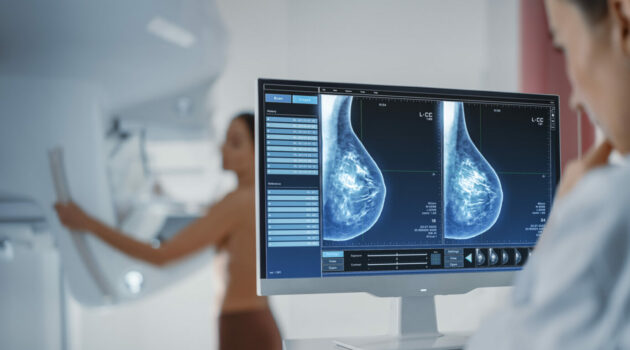
Belgium Mammography Market: Data-Driven Screening Expansion Across a Private-Led Network
Belgium’s 2024–2025 screening reforms are aimed to modernize breast-cancer detection through digital upgrades, AI-supported reading, and broader outreach. Screening demand continues to rise as early-stage detection improves and the population ages. The Belgian Cancer Registry data (2024) and the 2025 EU Country Cancer Profile confirm persistent regional differences in participation. Flanders achieves higher uptake through its organized call-recall program, while Wallonia as well as Brussels rely on opportunistic screening, resulting in lower and less consistent coverage. These gaps reinforce the need for continued investment in digital mammography and AI-enabled workflows.
As per Hospital Intel Suite (HiS), Belgium’s mammography network is predominantly driven by private hospitals by private hospitals . Private facilities operate well over two-thirds of Belgium’s mammography units, creating a dominant screening corridor across Antwerp, Brussels, and the Flemish provinces. Public hospitals account for a much smaller share, reinforcing private sector leadership. Secondary hospitals manage a sizable portion, forming Belgium’s community screening layer. Tertiary networks maintain the largest overall concentration, reflecting strong oncology and breast-surgery demand. University hospitals add specialized capability for complex cases. Lower-density provinces, such as Namen and Luxembourg, exhibit far lower penetration, linked to smaller hospital counts. This uneven distribution drives higher referral volumes to Antwerp and Brussels during peak screening periods.
High-density regions with a strong presence of private medical facilities are upgrading rapidly to digital platforms and AI-supported reading to handle increasing early-detection workloads. Smaller provinces such as Namen and Luxembourg face slower replacement cycles, which increases referral flow to Antwerp and Brussels during peak screening periods. These regional differences are accelerating a new wave of investment aimed at improving image quality, supporting mobile screening coverage, and strengthening access in provinces with lower penetration. As these upgrades advance, Belgium’s mammography market is set for steady growth, driven by screening modernization and the need for more consistent diagnostic performance across all regions.